

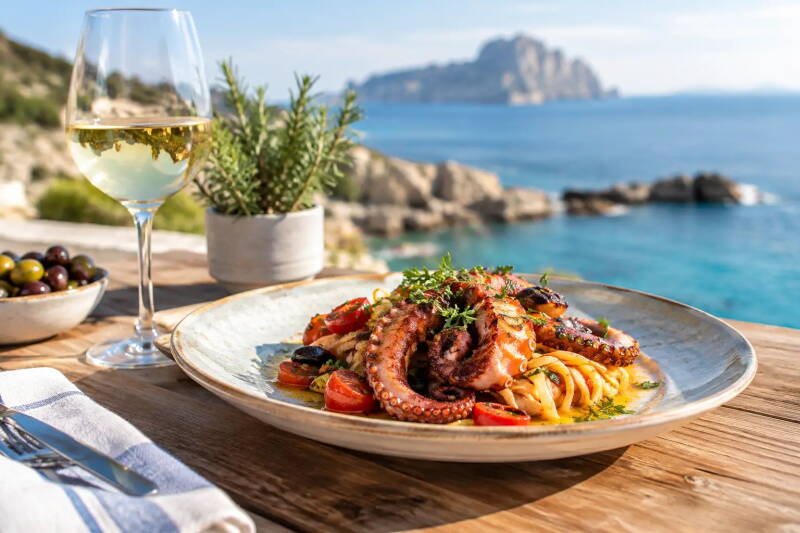
A plate may be the first invitation a guest receives. Before they step onto a terrace, hear the room soften into conversation, or taste a strand of fresh pasta, they may encounter your restaurant through an image.
Thoughtful food photography makes that first encounter feel honest, appetizing and unmistakably yours.
For a restaurant in Sardinia, the story rarely lives only on the plate. It can be found in the morning market delivery, the hand shaping culurgiones, the reflection of sea light on a glass, the linen on a table or the welcome offered by the people in the room.
Good photography brings these elements together and gives future guests a sense of what it will feel like to be there.
Food photography begins with identity
The strongest restaurant photographs do more than show a beautiful dish. They help guests understand the experience they are choosing.
Is the restaurant intimate and refined? A family-run trattoria? A contemporary dining room overlooking the coast?
Before a shoot, it is important to define the character of the business and what the images need to communicate.
A chef may want to emphasize the precision of a signature dish, while a hotel restaurant may need photographs that connect breakfast, poolside lunch, aperitivo and dinner into one coherent guest experience.
Planning in advance also helps define the dishes to photograph, the best light, the people who should appear and the formats required for websites, menus, social media, press and printed materials.
Restaurant photography should therefore not be seen as a collection of isolated images, but as part of a wider visual identity.
Let the ingredients tell a local story
Sardinian food has a visual language of its own: tomatoes, olive leaves, pane carasau, citrus, local cheeses, seafood and the deep tones of Cannonau.
These ingredients are naturally expressive, but their value comes from context.
A still life of ingredients can reflect the real choices of the kitchen: herbs used that day, flour on a work surface, vegetables from a local producer or the ingredients behind a signature dish.
This becomes especially important for restaurants welcoming international guests. Travelers visiting Costa Smeralda, Porto Cervo, Olbia, Nuoro or other parts of Sardinia often look for more than food. They are looking for a connection with the destination.
A glimpse of the landscape, local ceramics, stone, linen or late-afternoon light can give an image a sense of place without overpowering the food.
Natural light, used with care
Natural light can give food softness, depth and texture, particularly near windows and on terraces.
But it is not always the best solution.
For evening service or darker interiors, carefully shaped artificial light can preserve the atmosphere while keeping colors accurate and food appealing.
The goal is not to make every image bright. It is to make the restaurant feel recognizable.
Photograph the meal, not only the menu
A restaurant gallery made entirely of close-up dishes can feel disconnected from the experience of hospitality.
Guests also want to see the life around the food: wine being poured, a server placing a dish, the chef at work, a table being prepared or people sharing a meal.
Styled dishes photographed before opening can be combined with more spontaneous moments during service. Together, these approaches create a richer and more believable visual story.
From food photography to a complete visual identity
For a restaurant, hotel or hospitality business, a strong photographic collection goes beyond the food itself.
It can include signature dishes, ingredients, chef portraits, cocktails, mise en place, interiors, terraces, architecture, staff and moments of guest experience.
Together, these images create a coherent visual library for websites, social media, menus, advertising, press and printed communication.
This approach is particularly valuable for a new opening, a brand refresh or the beginning of a new season.
At Studio Ungaro, photography is therefore planned around the identity of the business as a whole. Food remains central, but it is photographed in dialogue with the space, the people and the experience surrounding it.
Details that communicate hospitality
Hospitality is often revealed through small elements: cutlery catching the light, a menu beside a ceramic cup, bread on the table, the texture of linen or a dining room prepared before service.
These photographs give visual rhythm to a website or editorial feature and help guests imagine their own experience.
For hotels and villas, they can also connect dining to the wider stay: breakfast in a courtyard, an aperitivo by the pool or a private dinner on a terrace.
Plan the shoot around the restaurant
Photography should respect the working rhythm of a restaurant.
Before service is usually the best moment to photograph signature dishes, ingredients, interiors and portraits without interrupting guests.
During service, attention can move to more documentary images: the kitchen in motion, cocktails being prepared, dishes arriving at the table or the atmosphere of the dining room.
Preparation is essential. The kitchen should know which dishes will be photographed and in what order, while the front-of-house team can prepare tables and spaces consistently with the real guest experience.
It is also useful to create a varied collection of horizontal, vertical, close and wider images so the restaurant can use them across different channels without having to recreate the shoot later.
Images designed to last
Food trends change quickly, but a restaurant’s visual identity should last longer.
The most effective images combine good light, real ingredients, hospitality and a clear point of view without relying too heavily on temporary trends.
A small restaurant, a refined hotel dining room and a luxury property in Costa Smeralda each require a different visual rhythm. The photography should respond to the character of the place rather than impose the same style on every business.
At Studio Ungaro, every restaurant and hospitality commission is planned around the identity of the business, its cuisine and the experience it wants guests to remember.
Whether you are preparing a new menu, opening a restaurant or hotel, refreshing your brand or creating a stronger visual library for the new season, the process begins with understanding what makes your place distinctive.
For restaurant, food and hospitality photography in Sardinia, Olbia, Costa Smeralda, Porto Cervo and throughout the island, contact Studio Ungaro to discuss a tailored photographic project for your business.